
Social media has changed the way people connect, communicate, and share information. Today, businesses cannot ignore social media if they want to grow online. Social media is one of the most effective ways to reach your audience, build your brand, and increase sales. In this guide, we will explain everything you need to know about social media marketing in simple words.
What is Social Media Marketing?
It includes creating and sharing content, interacting with followers, running advertisements, and analyzing performance. Platforms like Facebook, Instagram, Twitter, LinkedIn, TikTok, and YouTube are commonly used for marketing.
The goal is to reach the right audience, engage them, and turn them into customers. Unlike traditional marketing, social media allows businesses to directly connect with people, respond to their needs, and build trust over time.
Why Social Media is Important

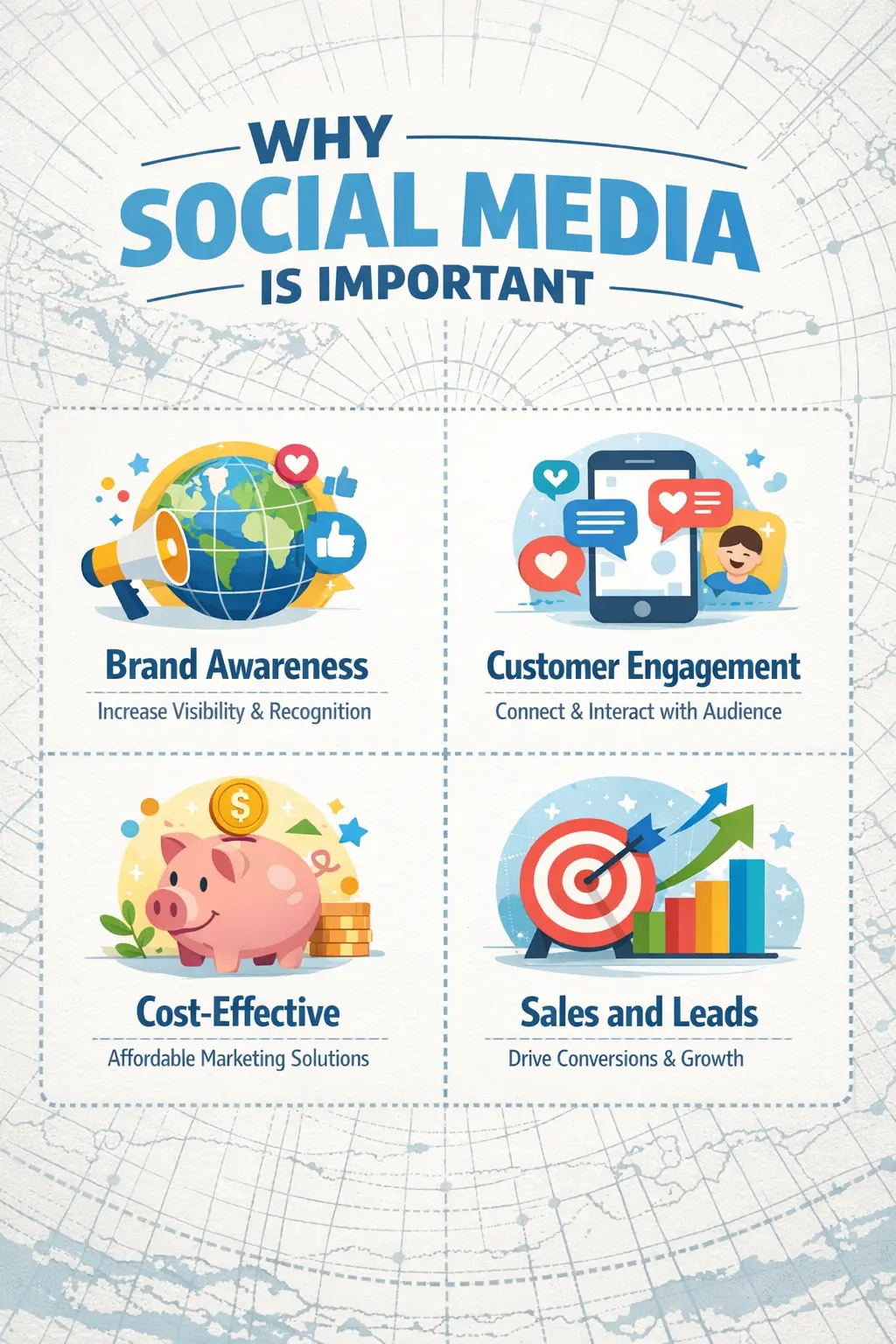
Social media is important because most people spend a lot of time online. Millions of users are active every day, and this provides businesses with a huge opportunity to reach potential customers.
- Brand Awareness: Social media helps people know about your brand. The more visible you are, the more people remember you.
- Customer Engagement: You can interact with your audience, answer their questions, and get feedback.
- Cost-Effective: Marketing can be cheaper than traditional advertising.
- Sales and Leads: Promoting products on social media can lead to more sales and business opportunities.
In short, marketing helps you grow your business, reach new people, and stay connected with your customers.
Choosing the Right Social Media Platform
Not all social media platforms are the same. Each platform has a different audience and style. Choosing the right platform is very important for your marketing success.
- Facebook: Good for all types of businesses. It is best for building communities and sharing content.
- Instagram: Ideal for brands that rely on visuals, like fashion, food, or travel.
- Twitter/X: Great for sharing news, updates, and engaging in conversations.
- LinkedIn: Perfect for B2B businesses, professionals, and networking.
- TikTok: Works well for short, creative videos and younger audiences.
- YouTube: Best for video marketing and long-form content.
Before starting, research your audience and see which platform they use the most. Focus on one or two platforms first instead of trying all at once.
Creating a Social Media Marketing Strategy
A clear strategy is the foundation of successful social media. Without a plan, your efforts may not bring results. Here are the main steps to create a social media strategy:
Know Your Audience: Understand who your audience is, their age, interests, and online behavior.
Choose Your Platforms: Select the social media platforms that your audience uses the most.
Plan Your Content: Decide what kind of content you will post. This can include images, videos, blogs, and polls.
Schedule Your Posts: Posting consistently is important. Use tools like Buffer or Hootsuite to plan posts in advance.
Engage With Your Audience: Reply to comments, answer questions, and thank followers for their support.
Analyze and Improve: Track your results to see what works and what doesn’t. Adjust your strategy accordingly.
Types of Social Media Content
Content is the core of social media. The right content attracts attention, engages people, and encourages them to take action. Here are the main types of content you can use:
- Images and Graphics: Photos, infographics, and memes that grab attention.
- Videos: Short or long videos explaining products, services, or tips.
- Stories: Temporary posts on Instagram, Facebook, or WhatsApp that show behind-the-scenes moments.
- Blogs and Articles: Share your knowledge and expertise through useful articles.
- Polls and Quizzes: Encourage followers to interact with your content.
- User-Generated Content: Share content made by your customers to build trust.
Mixing different types of content keeps your social media profiles interesting and engaging.
Social Media Advertising
Organic reach on social media is limited, which means your posts may not reach everyone in your audience. This is where social media advertising comes in. Paid advertising helps you reach a bigger audience and target specific people.
Platforms like Facebook, Instagram, LinkedIn, and TikTok allow you to run ads based on interests, location, age, and behavior. Social media ads can be very effective for promoting products, generating leads, and increasing brand awareness.
When creating ads, make sure to have a clear message, an attractive design, and a strong call-to-action. Testing different ad types can help you find the most effective ones.
Engaging With Your Audience
Social media is not just about posting content; it is also about building relationships. Engagement is the key to success. When your audience interacts with your content, it increases your visibility and trust.
Ways to engage with your audience include:
- Responding to comments and messages quickly.
- Asking questions to encourage discussions.
- Running contests or giveaways.
- Sharing user-generated content and thanking followers.
Engaging consistently helps you create a loyal community around your brand.
Conclusion
Social media marketing is a powerful tool for businesses of all sizes. It allows you to connect with your audience, build trust, and grow your brand. By choosing the right platforms, creating engaging content, running effective ads, and measuring results, you can achieve your marketing goals.
Remember,marketing is not just about selling; it’s about building relationships. Focus on helping your audience, sharing valuable content, and interacting with followers. With time, patience, and the right strategy, social media can become one of your most valuable marketing tools.